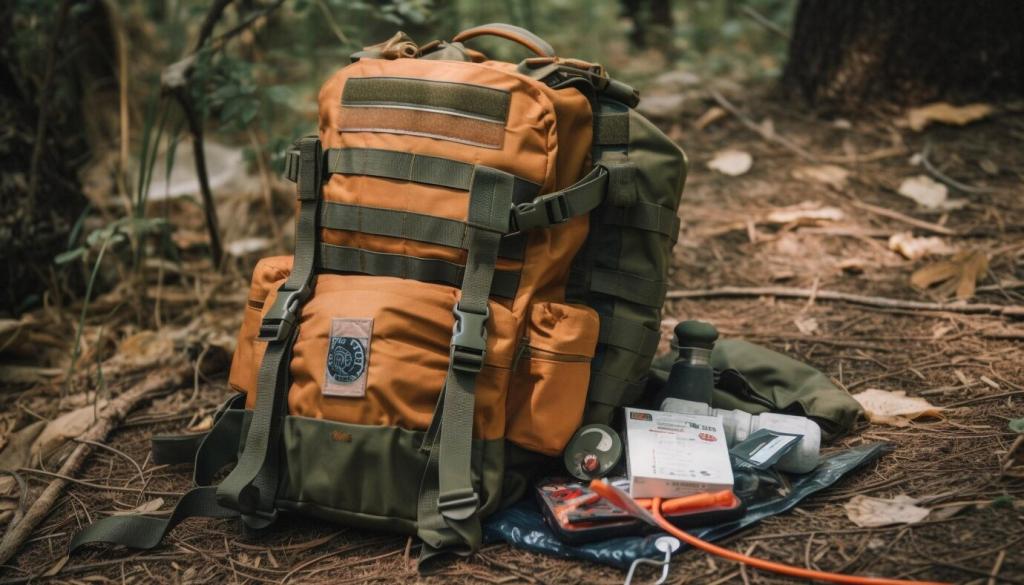
Start Strong: Essential Gear for Mountain Hiking Beginners

Footwear Foundations for First Summits

Choose boots with a snug heel, roomy toe box, and supportive midsole. Try them on in the afternoon when feet are slightly swollen, wear your hiking socks, and test on an incline. A proper fit prevents black toenails, hot spots, and early turnarounds on beginner mountain hikes.

Layering Like a Pro (Without Overpacking)

Start with a synthetic or merino base that wicks sweat quickly. Skip cotton, which dries slowly and chills you in mountain breezes. Lightweight, breathable fabrics keep beginners comfortable on steady climbs, helping regulate temperature so energy goes into the trail, not fighting damp clothing.

Layering Like a Pro (Without Overpacking)

A fleece or synthetic puffy adds warmth without fuss. Down is light and compressible but struggles in wet weather, while synthetic insulates when damp. Choose one reliable mid-layer and practice swapping it on rest stops. What’s your go-to mid-layer for beginner-friendly mountain routes?
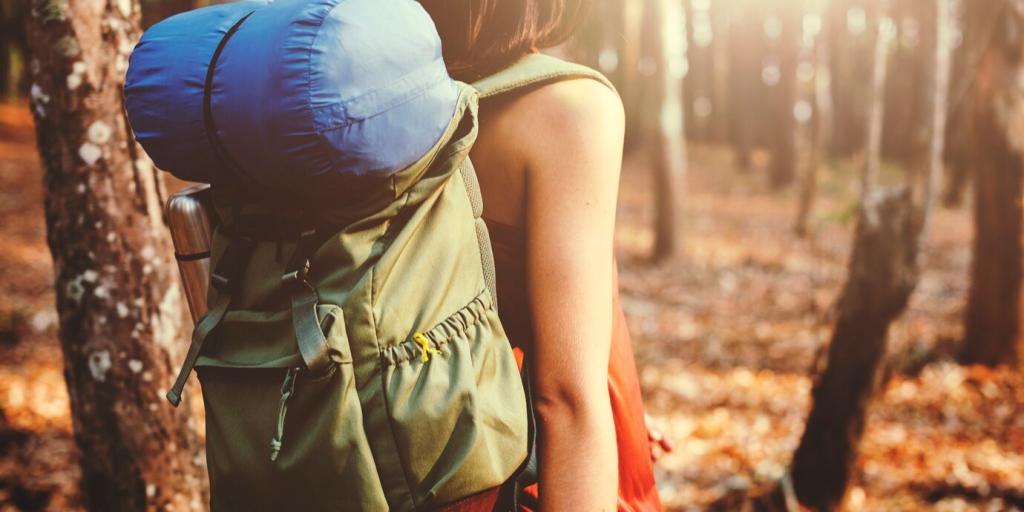
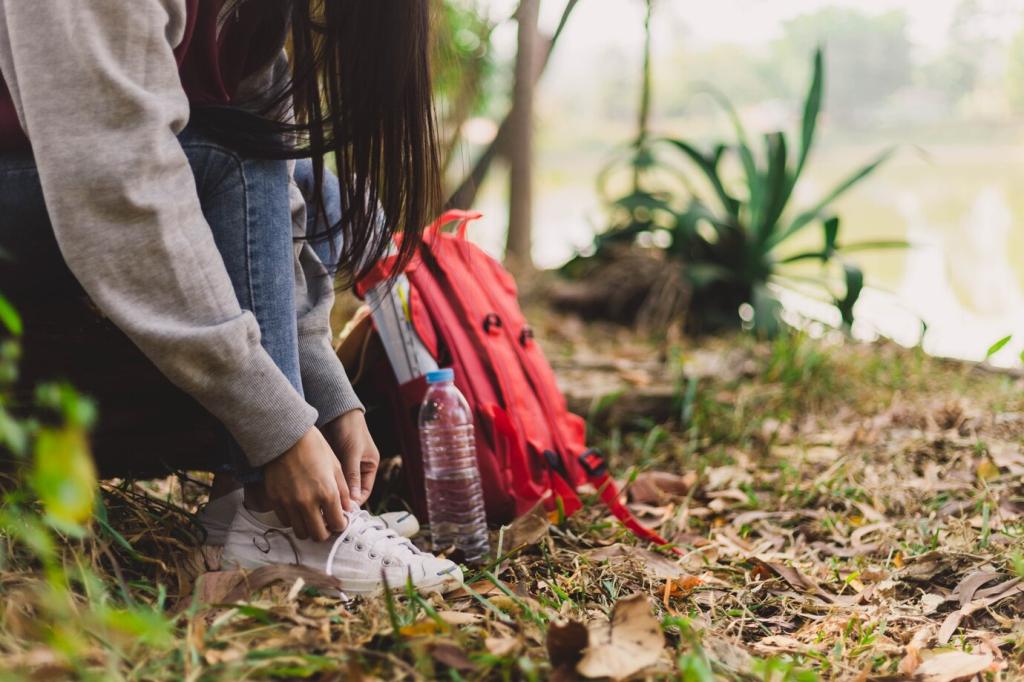
Smart Packs and Beginner-Friendly Packing

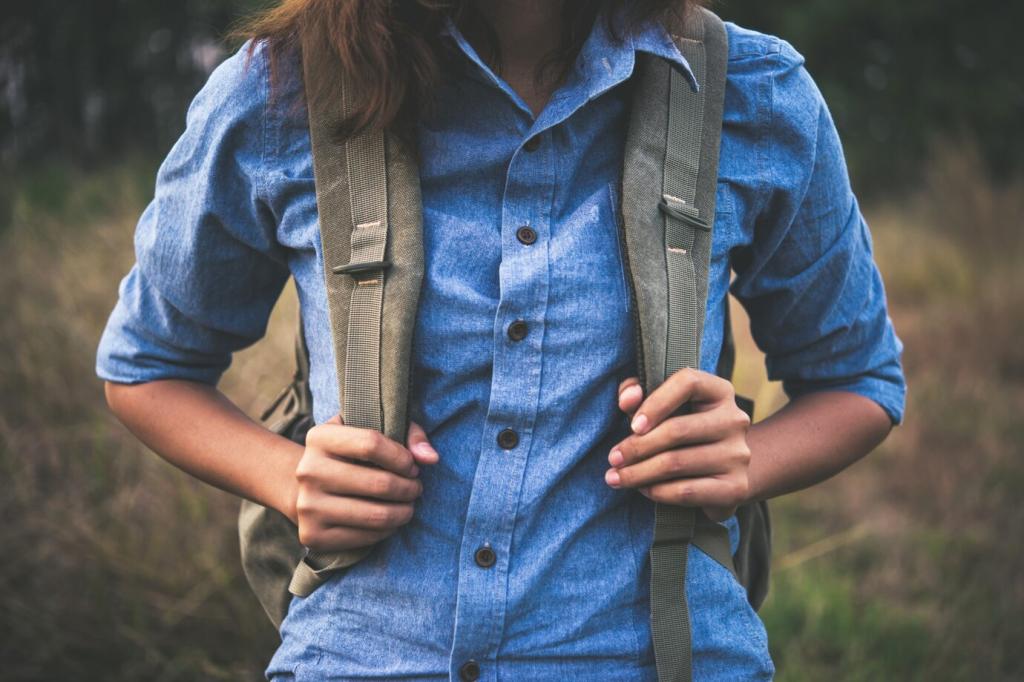
For beginners, a 20–30 liter pack with a supportive hip belt and simple pockets works beautifully. Get the right torso length, try it loaded, and adjust straps so weight sits close. Women’s-specific fits can improve comfort and control on uneven mountain trails.

Smart Packs and Beginner-Friendly Packing

Place heavy items close to your spine and mid-height, with soft layers cushioning hard edges. Keep the pack tidy to prevent sway on rocky steps. Practice at home, then tweak on trail. Share your favorite packing hack to help first-time hikers dial in their comfort.

Navigation and Safety Basics for New Mountain Hikers

Redundant Navigation Saves the Day

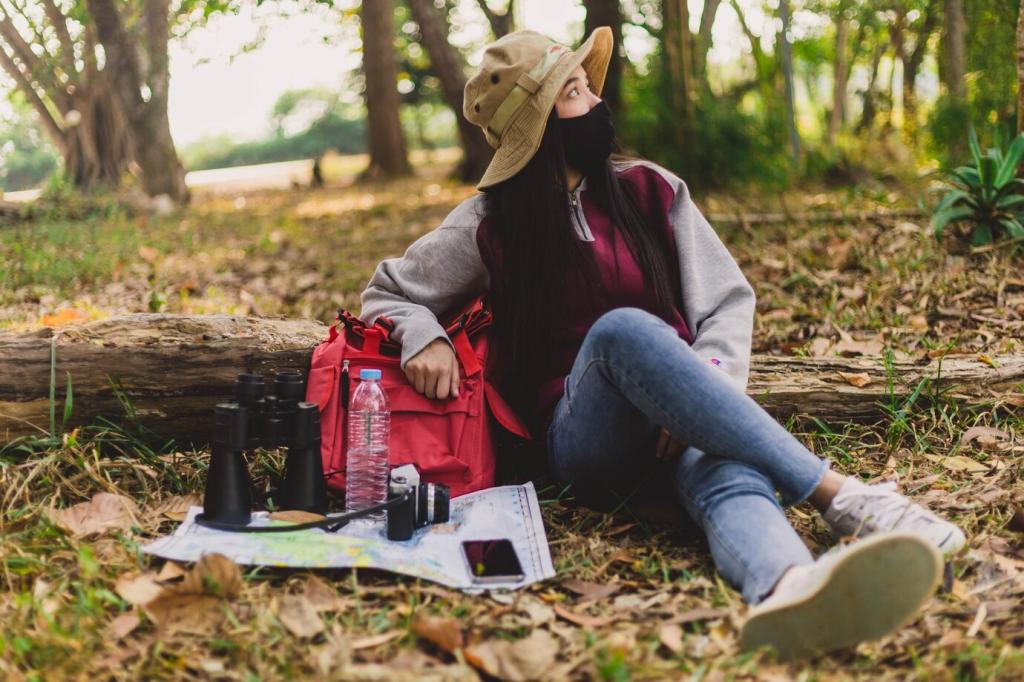
Carry a paper map, a simple compass, and an offline GPS app. Keep your phone in airplane mode to save battery and bring a small power bank. Practice orienting the map before you need it. Confidence grows quickly when you can pinpoint your position without guesswork.

Headlamps Beat Phone Flashlights

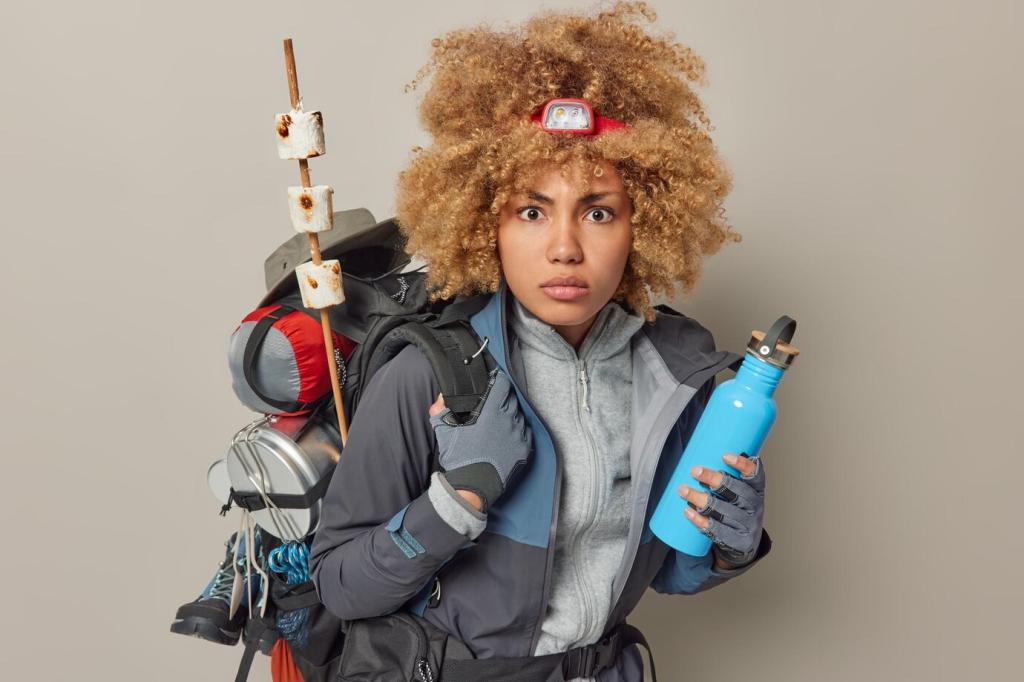
A headlamp with a reliable lockout, a comfortable strap, and spare batteries outperforms a phone light on uneven terrain. Red mode preserves night vision. I once started late and finished after dusk; the beam kept every step deliberate. Beginners: test your headlamp before the trailhead.

A Beginner’s First-Aid Core

Pack blister care, bandages, gauze, tape, pain relief, antihistamine, gloves, and a triangular bandage. Add personal meds and a small instruction card. Consider a basic first-aid class; skills weigh nothing but matter most when minutes count. What course would you recommend to new hikers?

Hydration and Mountain Fuel Made Simple

Aim for steady sips rather than big gulps. Bottles are simple and visible; reservoirs encourage frequent drinking. Treat natural sources with a filter, purifier, or chemical tabs. On warm climbs, start hydrated and carry more than you think. Beginners often underestimate how quickly mountain air dries you out.

Hydration and Mountain Fuel Made Simple

Fuel with a mix of complex carbs, quick sugars, and healthy fats: nut butter tortillas, dried fruit, jerky, or energy chews. Plan small bites every 30–45 minutes. What’s your favorite beginner-friendly trail snack combo? Share a recipe we can feature in our next newsletter.

Trekking Poles for Balance and Confidence

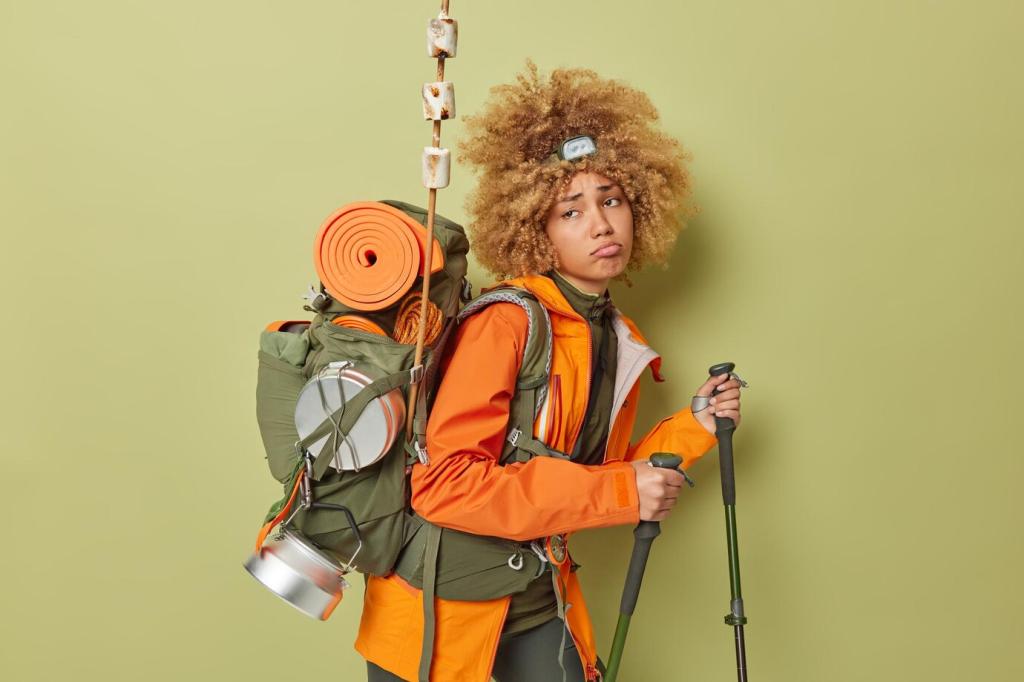
Poles transfer some load from legs to upper body, reducing knee and ankle strain on uneven rock and steep downhills. They provide balance on creek crossings and snowy patches. Many beginners report feeling instantly steadier. Have poles transformed your descents? Tell us about your first outing.

Trekking Poles for Balance and Confidence

Adjust pole length so elbows rest around ninety degrees on flat ground. Shorten slightly for climbs, lengthen for descents. Learn the correct strap method for support without gripping hard. A minute of adjustment at the trailhead pays off all day on mountain terrain.

Emergency and Repair Essentials You’ll Actually Use

Carry a compact emergency blanket or bivy, a loud whistle, and simple fire starters in a waterproof pouch. Even short mountain hikes can turn windy and cold. I’ve shared an emergency blanket during an unexpected hail burst—small gear, big comfort. What’s in your safety pouch?
Acor-spzoo
Privacy Overview

This website uses cookies so that we can provide you with the best user experience possible. Cookie information is stored in your browser and performs functions such as recognising you when you return to our website and helping our team to understand which sections of the website you find most interesting and useful.