
Packing the Perfect Backpack for a Mountain Hike
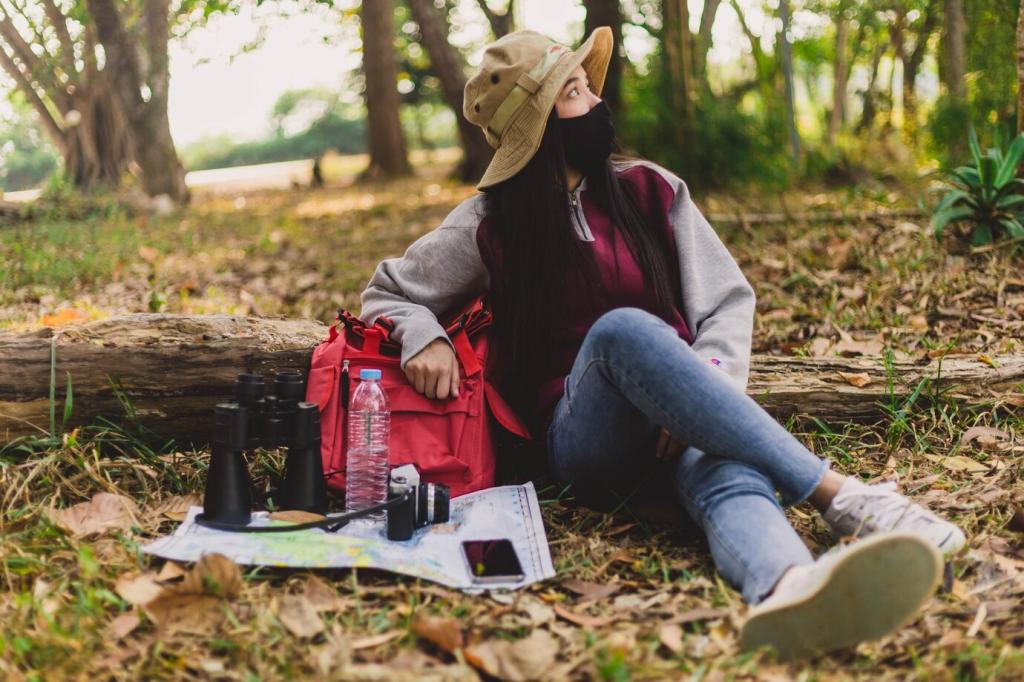

Packing Order and Weight Distribution
Position your densest items close to your back and between shoulder blades to prevent sway. Fuel canisters, food, and water sit tight to the spine, not outboard. This reduces torque on uneven steps and helps your hips drive uphill without wrestling a shifting load.
Weatherproofing for High Country
Use a breathable base, a warm mid-layer, and a reliable shell. Wind on exposed ridges strips heat fast, even in July. I carry a thin puffy close to the top of my pack for summit pauses. Comment with your favorite mid-layer that warms without overheating the climb.
A trash-compactor liner inside the pack beats most rain covers. Double-bag your sleep system and clothes. Electronics and maps get their own small dry bag. One stormy afternoon, that simple redundancy kept my morale intact; warm socks and a dry quilt changed everything after camp setup.
Run a quick drill: jacket on, hood up, pack cover or liner checked, and snacks accessible for moving calories. I once timed my routine during a mock storm; shaving forty seconds kept fingers warmer. Practice at home, then tell us your best storm routine for real mountain weather.
Food, Water, and Fuel Planning
Aim for calorie-dense foods that pack well: nut butters, tortillas, couscous, jerky, and dark chocolate. Avoid messy prep that steals daylight. My favorite trail lunch is a quick wrap with cheese and hot sauce. What’s yours? Share your simplest, tastiest mountain-friendly combo.
Safety, Navigation, and Small Essentials
First Aid That Actually Gets Used
Pack blister care, a bandage roll, tape, antiseptic wipes, and pain relief. I added a small dental kit after a cracked filling taught me humility. Keep the kit reachable so breaks become quick fixes, not panic sessions. What tiny item saved your day on the trail?
Navigation Redundancy
Carry a paper map and compass even if you love your GPS. Download offline maps, bring a small battery, and label waypoints. In fog, my compass bearing kept us honest when the track vanished. Redundancy prevents small mistakes from becoming big epics when visibility drops suddenly.
Emergency Layers and Communication
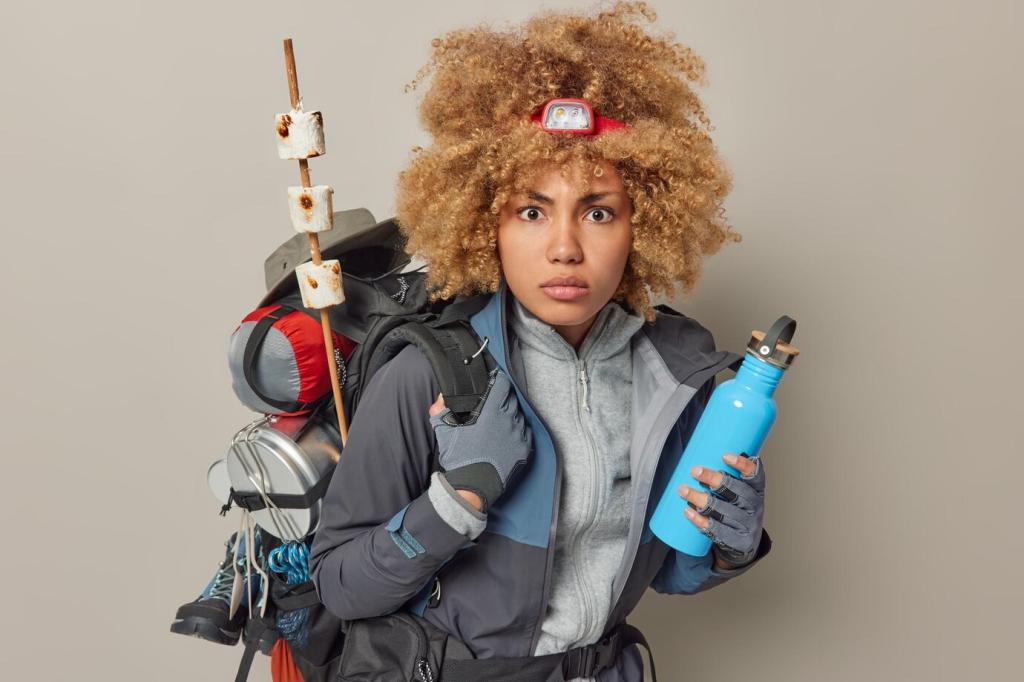
A lightweight emergency bivy, a reliable headlamp, and a whistle weigh little and matter a lot. Consider a satellite messenger in fringe coverage. I once used mine to check a storm window and adjust camp plans. Leave your itinerary with a friend and encourage partners to do the same.
Comfort and Trail Efficiency
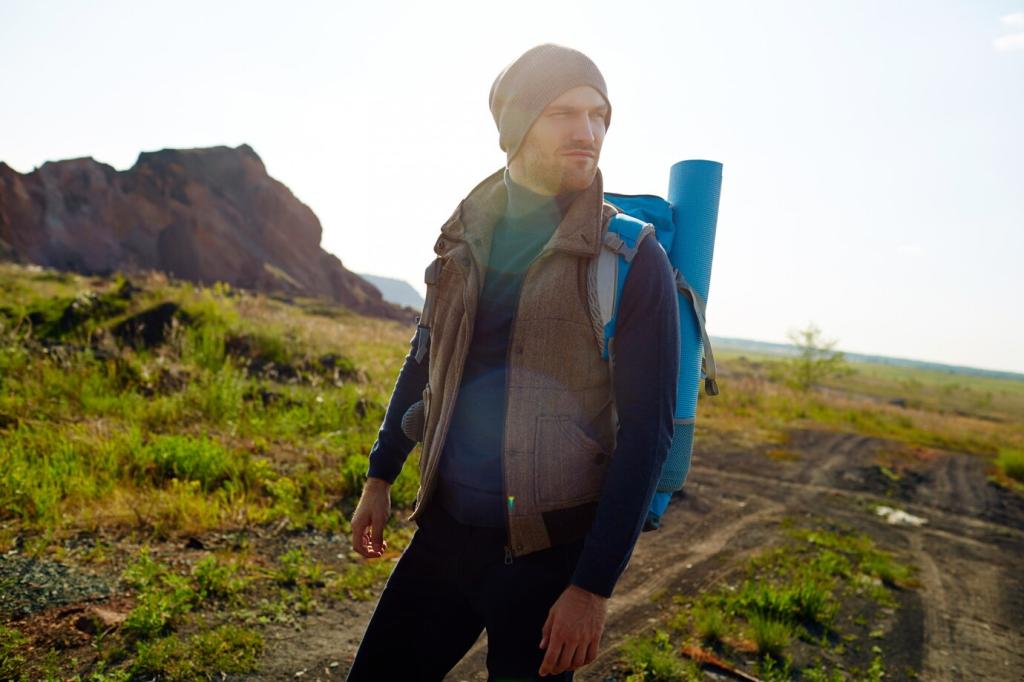
Color-code stuff sacks, label the first-aid kit, and assign pockets for snacks, gloves, and water treatment. Routine reduces rummaging. I place sun protection on the same side every trip so muscle memory wins. Tell us your smartest micro-organization trick that made hiking feel smoother.
Comfort and Trail Efficiency
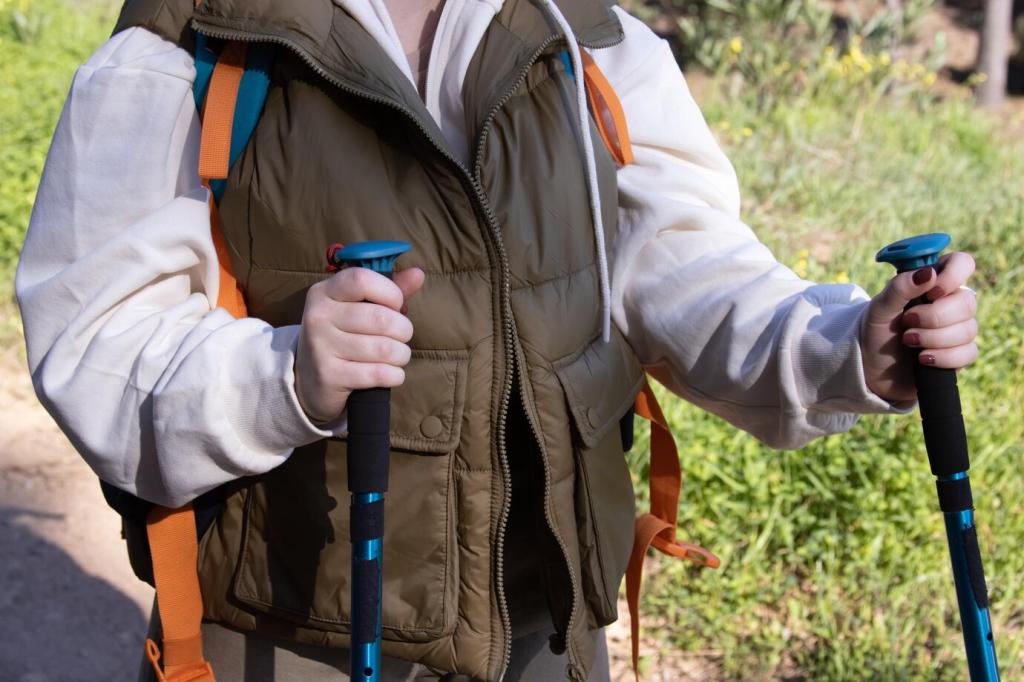
Stop before you are desperate. A five-minute break every hour beats one long collapse. Air socks, tape hotspots early, and hydrate. After adopting this rhythm, my afternoon pace improved noticeably. Share your break cadence or blister hacks so others can finish strong with happy feet.