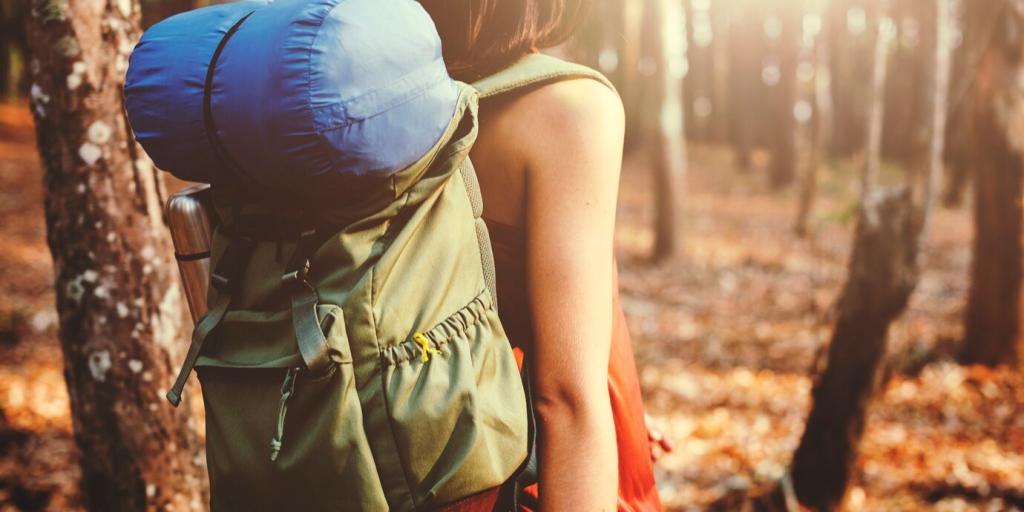
Safety Tips for Mountain Hiking Beginners: Start Smart, Summit Safely

Plan Your Route Before Your Boots Hit the Trail

Study contour lines, elevation gain, expected pace, and bail‑out points before you go. Download offline maps and set waypoints. Share your favorite planning app in the comments to help other beginners prepare safely and confidently.

Plan Your Route Before Your Boots Hit the Trail

Leave a written plan including trailhead, route, party size, vehicle details, start time, and turnaround time. Agree on a check‑in window and actions if you are overdue. Subscribe to get our printable trip‑plan template for your next hike.
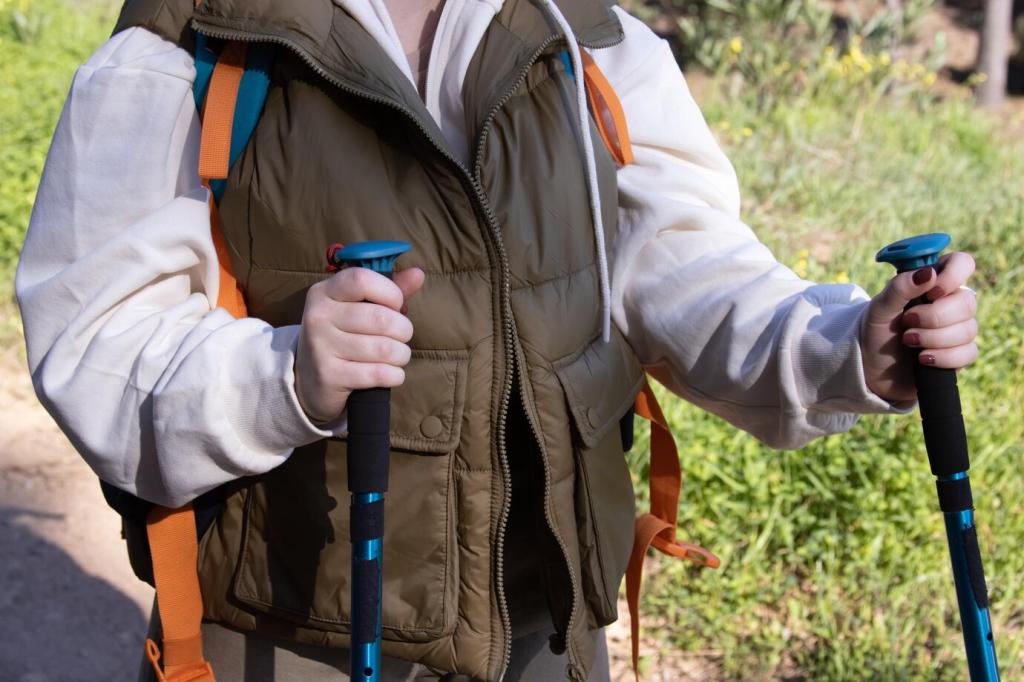

Gear That Guards You

Choose footwear that fits with room for toes on descents and supportive soles for rock. Use a wicking base layer, warm mid layer, and windproof shell. Dry layers stop chills fast; a simple change once saved me from shivers on a breezy ridge.

Gear That Guards You

Carry a paper map and compass, plus a phone with offline maps and a small power bank. Practice basic bearings at home. If your screen fails, your map should not. Comment with local classes or tutorials that helped you learn navigation.

Understand mountain weather rhythms

Check multiple forecasts and watch for growing cumulus clouds, rising winds, and temperature drops. Summer thunderstorms often build after noon. In shoulder seasons, icy mornings thaw into mud. Share your best weather cue in the comments so new hikers learn faster.

Terrain traps and how to pass them safely

On scree, step lightly and test holds. Cross snowfields early with traction and poles. At stream crossings, face upstream, unbuckle your hip belt, and use three points of contact. Tell us how you evaluate tricky sections without feeling rushed.

Altitude and your body

Gain elevation gradually, drink regularly, and watch for headache, nausea, or dizziness. If symptoms worsen, descend; the mountain will wait. I once turned around after a persistent headache and felt stronger the next day. Encourage beginners by sharing your altitude tips.

Pace, Fuel, and Hydration for New Hikers

Find your conversational pace

Start with a gentle warm‑up and settle into a pace where you can speak in full sentences. Take short, purposeful breaks instead of long slumps. This protects knees on climbs and keeps decision‑making clear. Share your favorite pacing trick for steep grades.

Hydration strategy that actually works

Sip every fifteen to twenty minutes, not just when thirsty. Add electrolytes during longer, hotter efforts. Altitude increases water loss through breathing, so carry extra. What’s your go‑to bottle or bladder system? Comment and help other beginners stay safely hydrated.

Smart snacking keeps judgment sharp

Aim for small carbohydrate‑rich bites each hour, mixing salty and sweet options. Nuts, bars, and fruit work well. I once navigated poorly after skipping snacks; steady fuel would have prevented it. Save our snack ideas and share your reliable energy boosters.
Use the STOP method to reset
Stop, think, observe, and plan. Sit briefly, breathe, and assess warmth, weather, time, and location. Check your map and options, then choose the safest next step. Practice this checklist and share scenarios where STOP helped you regain control.
First aid basics you will actually use
Treat blisters early, support sprains with tape, and clean scrapes to prevent infection. For hypothermia risks, change into dry layers, shield from wind, and sip something sugary. Consider a short course; tell us which class boosted your confidence most.
Staying found and signaling for help
If lost, stay put, make yourself visible, and blow three whistle blasts. Use a headlamp’s strobe at dusk and text 911 with coordinates if available. A simple text once guided rescuers to a stranded hiker. Subscribe for our offline navigation guide.
Acor-spzoo
Privacy Overview

This website uses cookies so that we can provide you with the best user experience possible. Cookie information is stored in your browser and performs functions such as recognising you when you return to our website and helping our team to understand which sections of the website you find most interesting and useful.