Pick Your Peaks: Planning Your Mountain Hike—Routes and Destinations

Start With Your Why and Match the Right Route

Are you chasing a panoramic ridge, a tranquil alpine lake, or a named summit? Your purpose shapes everything: start time, pace, gear, and even snack choices. Write it down, visualize the highlight, and let that vision guide destination selection and every route decision you make.

Start With Your Why and Match the Right Route

Two hikes with ten miles can feel wildly different depending on elevation gain and trail grade. Use Naismith’s Rule as a baseline, then adjust for rocky terrain, altitude, and exposure. A 3,000-foot climb amplifies fatigue; plan realistic turnarounds and remember that descent on tired legs still demands energy.

Destinations: From Iconic Ranges to Quiet Corners

Dreaming of Colorado’s airy fourteeners? Consider a mellow acclimatization day first on a subalpine loop near Crested Butte or a lakeside trail in Rocky Mountain National Park. Similar views, less stress. Share your favorite Colorado warm-up routes in the comments so new hikers can build a confident plan.

Destinations: From Iconic Ranges to Quiet Corners

The Alps dazzle with balcony trails above villages, but high passes can feel intense in stormy windows. Try a hut-to-hut sampler near Chamonix or the Dolomites’ well-marked circuits. If you prefer quieter paths, look for regional nature parks where the same limestone drama comes with gentler gradients.

Destinations: From Iconic Ranges to Quiet Corners

You do not need to cross oceans for awe. Many hometown ranges hide sunrise ridges and waterfall gullies within an hour’s drive. Scout regional trail associations for curated loops. Post a comment with your underrated local destination so our community map grows with real, tested recommendations.

Choose the Right Season for the Route

Early summer brings snow patches on north-facing slopes; late summer can mean dry streams and hot, exposed ridges. Shoulder seasons reward flexible hikers with quieter trails and crisp air. Research historical trip reports for your destination to calibrate expectations for snow bridges, ice, and muddy switchbacks.

Decode Forecasts Like a Planner

Mountain forecasts differ from valley reports. Read multiple sources, check freezing levels, gust speeds, and thunderstorm probabilities. Build a plan B below treeline and a plan C along a sheltered valley. A good planner knows that sometimes the smartest summit is the café where you wait out lightning.

Anecdote: The Day We Turned Around

On a supposedly clear August morning, clouds stacked over the ridge by noon. Our route had an exposed crux, so we turned back at the last safe junction. We ended with hot chocolate in town and happy legs, proving that planned retreats are victories that keep future destinations within reach.

Navigation Tools and Route Scouting

Carry a printed topo map for the big picture and a phone or GPS for precision. Mark milestones like bridges, saddles, and camps. Before leaving, download offline tiles and highlight contour traps where trails fade. Redundancy is not overkill; it is what turns planning into freedom on complex routes.

Navigation Tools and Route Scouting

GPX tracks help visualize gradient spikes and exposure. Cross-check user-uploaded tracks with official maps to avoid social trails. Use satellite imagery to spot scree slopes and potential snowfields. If a GPX looks messy at switchbacks, expect confusion on the ground and prepare with waypoints and patience.

Safety Margins and Smart Turnarounds

Set a hard turnaround time, not just a hopeful summit time. Identify bailout trails that descend safely to roadheads or huts. Share your plan with a friend and leave a route card in your car. A planned exit is the quiet hero that keeps future destinations feasible and fun.

Safety Margins and Smart Turnarounds

Assign a navigator, timekeeper, and morale captain. Agree on signals for stopping, hazards, and weather shifts. Rotate the lead on steep sections to manage pacing. Debrief at lunch about energy levels and timing. Good communication turns a group into a cohesive team that moves intentionally toward shared views.

Packing Strategy Aligned to Route Type

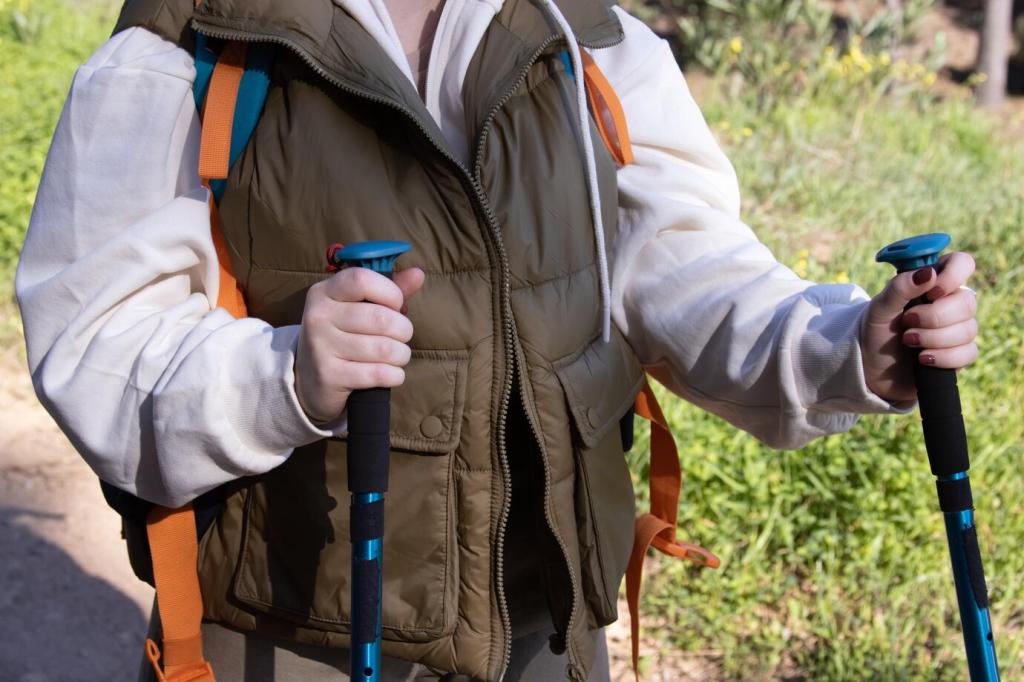
Light layers, a compact first aid kit, headlamp, and extra calories cover most day objectives. Trekking poles ease long descents. A wind shell earns its place on every ridge. Choose footwear that grips wet rock and dries quickly, then tell us your favorite budget-friendly essentials for aspiring peak-baggers.

Packing Strategy Aligned to Route Type

For multi-day routes, plan sleep systems to the true nighttime low, not the median forecast. Pack blister care and a repair kit for zippers and straps. If huts are available, confirm bedding and meal options to save weight. Share your most efficient multi-day packing tip to help others refine plans.

Packing Strategy Aligned to Route Type

Mark reliable streams, springs, and lakes on your map, then assume one might be dry. Carry a filter and a backup treatment. In sunny basins, budget more liters than you think. Route planning that respects water keeps your pace steady and unlocks distant destinations without unnecessary risk.

Packing Strategy Aligned to Route Type

Lorem ipsum dolor sit amet, consectetur adipiscing elit. Ut elit tellus, luctus nec ullamcorper mattis, pulvinar dapibus leo.

Acor-spzoo
Privacy Overview

This website uses cookies so that we can provide you with the best user experience possible. Cookie information is stored in your browser and performs functions such as recognising you when you return to our website and helping our team to understand which sections of the website you find most interesting and useful.